
Are you building your succession plan around replacing people instead of preparing your business for what’s next? Then this episode is for you! Andrea and Michelle break down one of the most common leadership missteps: confusing succession planning with simple replacement.
Discover why starting with “who takes my role” can quietly stall progress and keep your organization stuck in the past. Learn how leaders unintentionally limit growth by assuming the structure, skills, and priorities of today will still work tomorrow. Andrea and Michelle unpack the real work behind succession planning, from defining where the business is going to rethinking how it should be structured to get there.
They also dig into the hidden inefficiencies that hold teams back, like constant follow-ups, manual workarounds, and outdated responsibilities that drain time and energy. You’ll see how these patterns create unnecessary complexity and why adding more people is not the solution.
This episode delivers practical strategies to shift your thinking, clarify direction, redesign roles, and build the capabilities your organization actually needs. If you want to move from maintaining what is… to preparing for what’s next, this conversation will show you how.
LISTEN TO THE EPISODE
Expand Your Leadership Skills.
Succession Planning vs. Replacement Planning: What Leaders Miss
Most organizations believe they are preparing for the future. They talk about leadership transition, identify potential successors, and create plans for who will take over key roles. But in many cases, what they call a plan is actually something much simpler and far more limited. The difference between succession planning vs. replacement planning is not just semantics. It’s the difference between building a future-ready organization and recreating the past.
At Revela, we believe effective leadership development starts with understanding where the organization is going, not just who will fill today’s roles. On this episode of The Leadership Hustle, Andrea Fredrickson and Michelle Hill unpacked why so many organizations default to replacement planning, what they miss in the process, and how leaders can build a true succession planning strategy that aligns with future growth.

Succession Planning vs. Replacement Planning Starts With the Wrong Question
Most leaders begin succession planning with a simple question: Who is going to take my role? Fredrickson hears this all the time: “So-and-so is going to take over my position when I leave.” It sounds logical. It feels proactive. But it’s the wrong starting point.
This question assumes something that is almost never true: that the business, the structure, and the needs of the organization will remain the same. When leaders assume continuity, they design plans based on today’s reality instead of tomorrow’s needs. That’s replacement planning. Succession planning, on the other hand, starts with a different question entirely: Where are we going?
Why Replacement Planning Feels Easier But Limits Growth
Replacement planning is appealing because it’s simple. You look at an existing role, define the current responsibilities, and identify someone who can step in and do the same job. It’s a “plug and play” mindset. As Fredrickson put it: “That’s a replacement plan, not a strategic or a succession plan.”
The problem is that this approach locks organizations into the past. It assumes:
The same structure will work
The same skills will be required
The same priorities will exist
But in reality, business environments are constantly evolving, driven by technology, market shifts, and changing customer expectations. A replacement plan fills a seat. A succession planning strategy builds for the future.

A Simple Framework for Building a Real Succession Planning Strategy
The difference between succession planning vs. replacement planning comes down to how leaders approach the process. Most organizations don’t fail because the steps are complicated. They fail because they start in the wrong place and skip critical thinking along the way.
Fredrickson emphasized that while succession planning can feel complex, the process itself is actually straightforward. The challenge is having the discipline to follow the right sequence and ask the right questions before jumping to solutions.
Step One: Define Where the Organization Is Going
True succession planning does not begin with people. It starts with stepping back to build a true business planning strategy. Before identifying successors, leaders must define the direction of the organization. This includes:
Growth goals
Market expansion
New products or services
Technology adoption
Cultural evolution
Fredrickson described this process as stepping back and asking: “Where is our organization going? What’s the next big thing?” This is where many organizations struggle. Strategic direction requires clarity, and clarity requires difficult decisions. Leaders must define what they are building, even while acknowledging that adjustments may happen along the way. Without that direction, any form of executive planning becomes reactive instead of intentional.
Step Two: Rethink Organizational Structure
Once direction is clear, the next step is determining how the organization needs to be structured to support it. This is where many leaders make another critical mistake: they design the future organization based on the current org chart. But as Fredrickson pointed out, “The org chart today may not work for the organization of tomorrow.” Leadership roles and responsibilities must evolve alongside strategy. This may mean:
Reducing or expanding leadership layers
Redefining functional areas (sales, operations, finance, people)
Integrating or separating departments
Leveraging technology differently
Hill emphasized that structure should reflect future needs, not current habits. This stage often requires leaders to challenge assumptions about what roles should exist at all.
Step Three: Identify Future Skills, Not Current Roles
Only after direction and structure are defined should leaders begin identifying people for leadership roles and responsibilities. But even here, the focus must shift. Instead of asking, “Who can do this job today?” leaders should ask:
What skills will we need in the future?
What capabilities are missing today?
What type of thinking will be required?
Fredrickson made this point clear, stating, “History is not a predictor of future success.” Leadership development should focus on building:
Strategic thinking
Decision-making capability
Ability to challenge the status quo
Collaboration and influence
In some cases, the best future leader may not resemble the current one at all. That’s the difference between planning for continuity and planning for growth.

What Leaders Must Stop Doing
An often-overlooked part of succession planning is deciding what the organization should stop doing. This goes beyond roles and responsibilities. It includes processes, habits, and workflows that no longer serve the future direction. This is especially important in the context of technology and efficiency.
Hill pointed out how tools like CRM systems and automation can fundamentally change how work is done, eliminating manual tasks and redefining roles. But many organizations fail to adjust. They continue:
Maintaining outdated processes
Requiring unnecessary manual work
Creating inefficiencies through poor systems
This creates hidden costs. As Fredrickson described, when people spend time chasing tasks, sending reminders, and managing inefficiencies, it pulls time away from meaningful work and often leads to hiring more people to compensate. A strong business planning strategy includes both what to start doing and what to stop doing.
The Role of Clarity in Leadership Transitions
Clarity plays a critical role in both succession planning and day-to-day operations. Without clear expectations:
Teams operate inconsistently
Work gets delayed
Leaders compensate by stepping in
Hill emphasized the importance of setting expectations upfront to avoid constant follow-up and inefficiency. In the context of leadership transition, clarity ensures:
Roles are well-defined
Responsibilities are understood
Decision-making authority is clear
Without clarity, even the best succession planning strategy can fail in execution.

Why Most Succession Planning Fails
Most succession planning fails because it starts in the wrong place. Leaders jump straight to people instead of strategy, focusing on who can take over a role today rather than what the organization will need in the future.
Fredrickson pointed out that many organizations simply update job descriptions based on current roles. The problem isn’t the job description. It’s the assumption that nothing will change. When leaders plan around today’s structure, they miss how quickly business needs evolve. Roles shift, priorities change, and required skills look different.
This is where succession planning vs. replacement planning becomes clear: without a forward-looking approach, leaders default to decisions that reinforce the past instead of preparing for what’s next. The result: roles get filled, but the business doesn’t move forward.
Succession Planning Is a Strategic Advantage
When done correctly, succession planning becomes a competitive advantage. It allows organizations to:
Develop leaders intentionally
Align talent with future needs
Build stronger company culture
It also strengthens leadership accountability. Leaders are no longer responsible only for today’s performance. They are responsible for building the leadership pipeline that will sustain the organization over time. That’s what separates reactive planning from strategic leadership.
Build for What’s Next, Not What Exists Today
The difference between succession planning vs. replacement planning comes down to perspective. Replacement planning focuses on filling roles as they exist today. Succession planning focuses on building an organization that can succeed in the future. When leaders start with strategy, rethink structure, and identify the skills needed for what’s next, they create a foundation for stronger leadership transitions and long-term growth.
At Revela, we believe effective leadership requires building for the future, not replicating the past. To explore more insights on leadership development, executive planning, and navigating leadership transitions, listen to the rest of The Leadership Hustle podcast!
About the Hosts
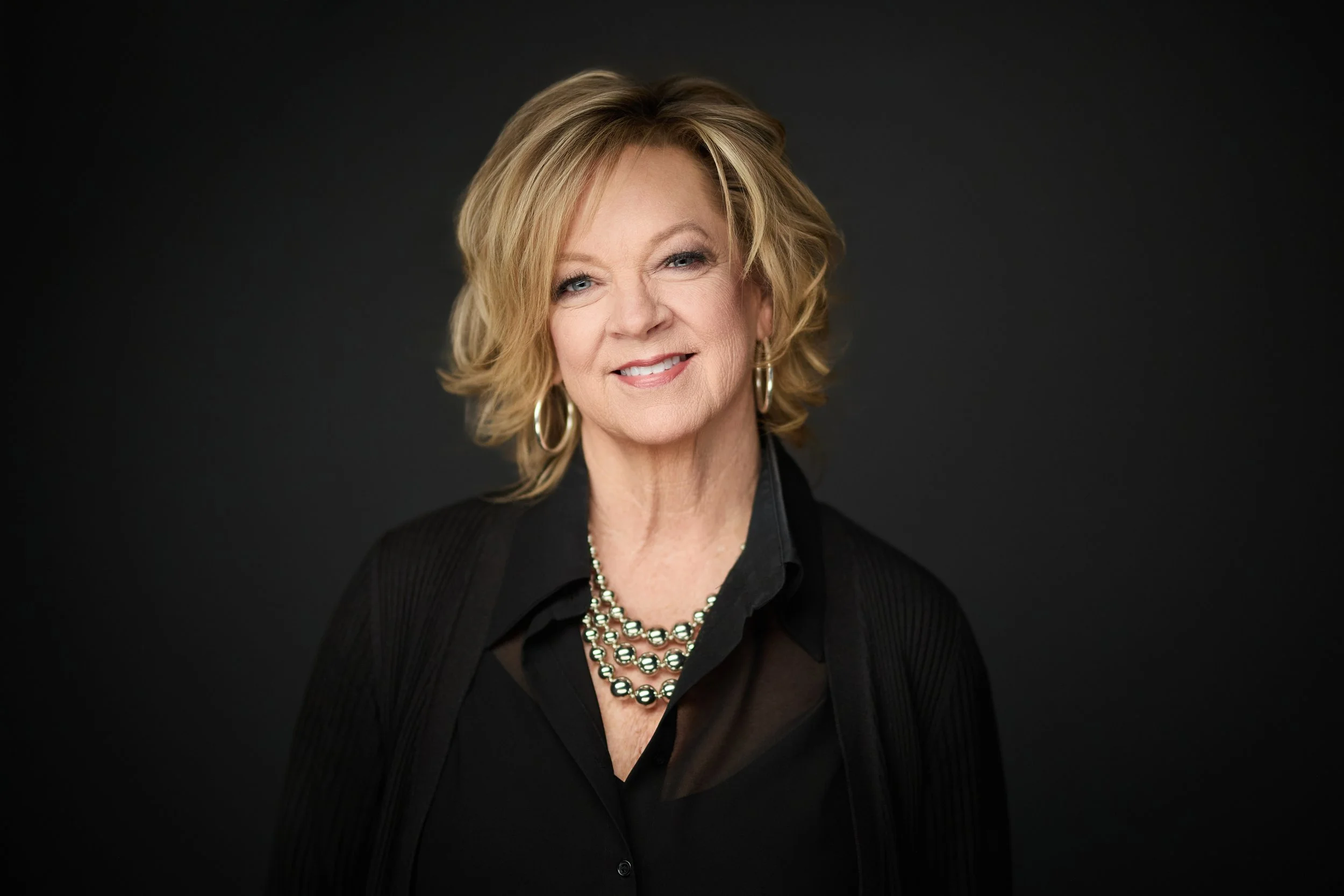
Andrea Fredrickson
Andrea Fredrickson is a thought leader and consultant at Revela, an organization based in Omaha, Nebraska specializing in the development of leaders, culture alignment, and business strategy for private and family businesses of all sizes. Revela is one of the region's most experienced thought challengers, helping individuals and companies find their greatness. Andrea has built an amazing team by believing that fundamentally people want to be successful and become better versions of themselves.
-
Andrea has degrees in education, management, and business. She is the author of Insight Unseen; How to lead with 20/20 business vision. She helps people see things differently, self-reflect, and never stop looking for ways to improve themselves on a personal and professional level. Andrea has spent more than 30 years researching and developing methods to help people communicate and lead more effectively.
When Andrea isn’t working with clients, you’ll find her spending time with her family & friends and making memories by exploring new cities.
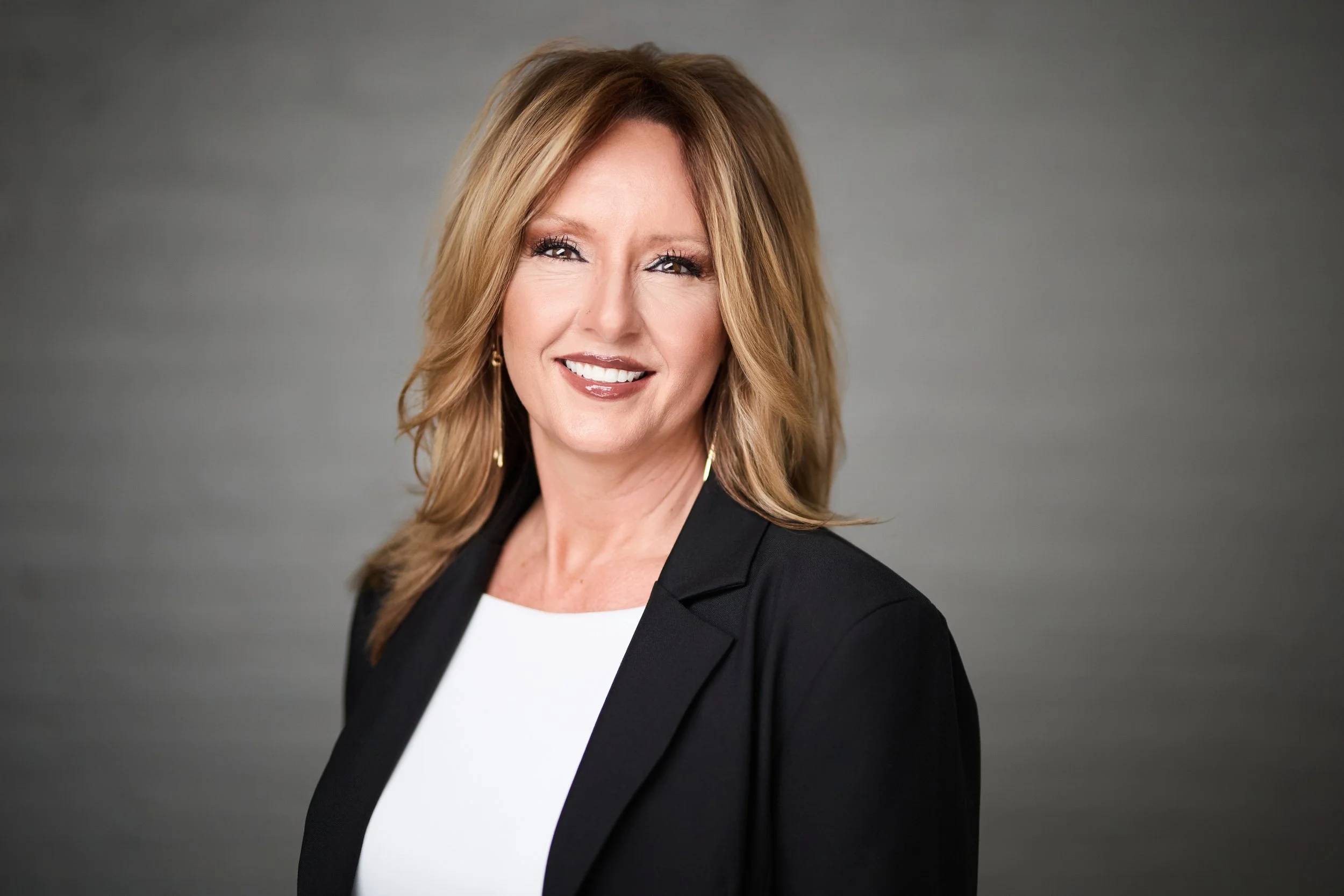
Michelle Hill
Michelle Hill is a master facilitator and coach at Revela, an organization specializing in the development of leaders and aligning the culture of privately held and family businesses of all sizes. Revela is one of the region's most experienced thought challengers, helping individuals and companies find their greatness.
-
An ambitious leader, Michelle has the natural ability to create forward momentum to build teams and get results. She inspires others to look within themselves and to challenge the status quo. She helps create high-performing environments. Michelle brings a diverse background: operations, employee development, and sales in the steel, hospitality, and consulting industries.
Outside of work, you will see her competitive side engaged in her daughter’s sports and ISU athletics. She loves life, her four-legged companions, and captures all the moments through her camera’s lens.
TRANSCRIPT
Andrea Fredrickson: Are you building your succession plan around who is going to take your place… or where your organization is actually going? In this episode of The Leadership Hustle, we’re unpacking the difference between succession planning and replacement planning, and why getting it wrong can hold your business back. Hello, and welcome to The Leadership Hustle for executives whose companies are growing fast and need leaders who are ready. Welcome back to The Leadership Hustle. I’m Andrea Fredrickson. All right, and we’re here today.
Michelle Hill: And I am Michelle Hill.
Andrea Fredrickson: Talking through another episode that’s coming up more and more in conversation lately. There’s a lot of movement happening right now. People are retiring, stepping into new roles, shifting responsibilities, and with all of that comes the question we hear all the time… who’s going to take over?
And I always pause there, because if your succession plan starts with “this person is going to take my role,” we’ve already missed something. It sounds simple. It feels logical. But what it assumes is that nothing is going to change. That the business will look the same, the structure will stay the same, and the role itself will stay the same.
And that’s just not reality anymore.