
How Leaders Cause Culture Drift Without Realizing It
Andrea and Michelle tackle one of the most frustrating leadership realities: how small, reasonable decisions slowly create culture drift across an organization. What starts as one delayed conversation, one exception for a high performer, or one tolerated behavior can quietly reshape the standards of an entire team over time.
In this episode, they break down the three most common ways leaders unintentionally weaken accountability and consistency: delay drift, exception drift, and tolerate drift. You’ll hear how avoiding uncomfortable conversations, making allowances for certain people, or letting behaviors slide “just this once” sends messages far louder than most leaders realize.
Andrea and Michelle also explore how these patterns impact communication, trust, and team dynamics. From employees feeling like rules only matter sometimes, to departments developing an “us versus them” mentality, they reveal how inconsistency slowly chips away at culture, credibility, and engagement.
This conversation offers practical insight into how leaders can recognize drift before it becomes the norm, reinforce expectations more consistently, and create a culture where standards actually mean something. If you’ve ever wondered why accountability feels harder than it should, this episode will help you uncover what may really be driving it.
LISTEN TO THE EPISODE
Expand Your Leadership Skills.
How Leaders Cause Culture Drift Without Realizing It
Most leaders don’t intentionally create an unhealthy workplace culture. In fact, many of the leadership mistakes that create problems inside organizations come from reasonable decisions made in the moment. A delayed conversation, an exception for a high performer, or a behavior that goes unaddressed may not seem significant on its own. But over time, those small moments create culture drift, slowly reshaping expectations, accountability, and workplace standards across the organization.
At Revela, we believe workplace culture is shaped less by what leaders say and more by what leaders consistently reinforce through their leadership behavior. On this episode of The Leadership Hustle, Andrea Fredrickson and Michelle Hill discussed how culture drift develops, why team accountability weakens over time, and how small leadership decisions quietly create larger company culture issues.

Culture Drift Starts With Small Leadership Mistakes
One of the biggest misconceptions about culture drift is that it happens because of a major event. Leaders often assume company culture problems appear suddenly after a conflict, restructuring, or a leadership transition. But according to Hill, “It’s not a big event. It’s something [that happens] slowly.”
That slow shift is what makes culture drift difficult to recognize. Leaders gradually stop reinforcing workplace standards consistently. Conversations get delayed. Behaviors get excused. Expectations become conditional instead of consistent. Over time, employees stop viewing standards as actual standards and begin treating them as optional. It may begin with one small exception, but repeated inconsistencies eventually reshape the workplace culture entirely.
Why Leaders Contribute to Culture Drift Without Realizing It
Most leaders are not intentionally trying to weaken accountability or damage workplace culture. As Fredrickson pointed out, leaders are often put into leadership roles because they are competent, hardworking, and trying to do a good job.
The issue is not bad intent. The issue is comfort and convenience. Leaders frequently avoid conversations because:
They do not want conflict
They assume the issue will correct itself
They believe it only happened once
They are busy and plan to address it later
Those decisions feel reasonable in the moment. But every delayed response sends a message to the rest of the team about what matters and what doesn’t.
Hill explained that employees pay attention to the “messages that are sent without words.” When leaders fail to address behavior consistently, employees begin questioning whether expectations are actually important. That uncertainty is where culture drift begins.
Workplace Culture Reflects What Leaders Reinforce
Many organizations describe their workplace culture using company values or mission statements. But culture is not built through posters, slogans, or onboarding presentations. Culture is built through repeated leadership behavior.
Standards only matter when leaders consistently uphold them. When leaders reinforce expectations sometimes but ignore them other times, employees stop viewing those standards as reliable. This applies to more than handbook policies. It includes:
Team accountability
Respect between coworkers
Follow-through on commitments
Workplace standards around collaboration
Hill noted that many organizations maintain strong expectations for external customer relationships while allowing internal relationships to deteriorate. At some point, the standard for how coworkers treat each other begins to drift. That inconsistency becomes part of the workplace culture.
The Three Types of Culture Drift
Fredrickson and Hill introduced a simple framework for understanding how culture drift develops: delay drift, exception drift, and tolerate drift. Together, these three leadership mistakes explain how company culture issues slowly become normalized.
Delay Drift Weakens Team Accountability
Delay drift happens when leaders postpone conversations or avoid addressing behavior in real time. Hill described it as: “I’ll get to that later.” Leaders may tell themselves:
“It only happened once.”
“They probably already know.”
“I don’t want to upset them.”
“I’ll address it at the next meeting.”
The problem is that delay changes perception. When feedback or accountability happens too late, employees often assume the issue was not important in the first place. Fredrickson pointed out that everyone else on the team usually notices the inconsistency too. They begin questioning whether the standard actually matters or whether certain people are allowed to ignore expectations.
Delay drift also creates confusion because silence gets interpreted as approval. Over time, leaders lose credibility when expectations are enforced inconsistently. Team accountability weakens because employees no longer know which standards truly matter.

Exception Drift Creates Inconsistent Standards
Exception drift occurs when leaders make special allowances for certain people or situations. One of the most common examples involves high performers. Hill described the “killer high performer salesperson” who produces strong results but communicates poorly or shifts work onto others. Leaders excuse the behavior because the employee performs well in other areas. But exceptions change the standard for everyone.
Fredrickson also discussed situations involving longtime employees, family businesses, or individuals leaders are hesitant to challenge. In these environments, accountability often becomes inconsistent because leaders fear conflict or backlash.
Exception drift is especially damaging because employees notice it immediately. Once one person receives different treatment, the rest of the team begins questioning fairness and consistency. That is when workplace culture starts shifting from accountability to favoritism.
Tolerate Drift Quietly Changes Workplace Culture
Tolerate drift happens when leaders repeatedly allow behaviors that conflict with workplace standards. Unlike delay drift or exception drift, tolerate drift often becomes so normalized that teams stop noticing it altogether. Fredrickson gave examples like:
Interrupting coworkers
Making inappropriate comments
Disrespect between departments
Dismissing certain voices in meetings
Hill explained that “It just becomes normal.” That normalization is what makes tolerate drift so dangerous. Once unhealthy behavior becomes routine, employees either begin pushing back against it or quietly disengage.
Hill noted that silence does not mean employees are okay with what is happening. In many cases, employees stop speaking up because they no longer believe it is psychologically safe to do so. That creates what Fredrickson referred to as “false harmony.” Teams appear aligned on the surface, but frustration and disengagement continue building underneath.

Culture Drift Impacts Retention and Trust
Over time, culture drift impacts trust, morale, and retention. Hill explained that employees who refuse to tolerate unhealthy behavior eventually leave because they cannot control the culture around them. They can only control whether they stay.
This creates a dangerous pattern for organizations. The employees most likely to leave are often the people who care deeply about accountability, consistency, and workplace standards. As those employees exit, the unhealthy behaviors become even more normalized.
Culture drift also damages trust between teams. Employees begin believing:
Standards are conditional
Accountability depends on who you are
Leadership behavior is inconsistent
Speaking up is unsafe
Once that trust erodes, rebuilding workplace culture becomes significantly harder.
How Leaders Can Prevent Culture Drift
Preventing culture drift requires leaders to recognize that culture is shaped through small, repeated moments. Leaders can reduce culture drift by:
Addressing issues quickly
Reinforcing workplace standards consistently
Avoiding unnecessary exceptions
Following through on accountability conversations
Modeling the same expectations they ask of others
Fredrickson challenged leaders to reflect on three questions:
What conversations are you delaying?
What behaviors are you excusing?
What standards are you tolerating?
Those questions reveal where culture drift may already be happening. The goal is not perfection. The goal is consistency.
Culture Drift Is a Leadership Issue
Culture drift does not happen accidentally. It develops through repeated leadership decisions that slowly reshape expectations over time. Delaying conversations, making exceptions, and tolerating unhealthy behavior may feel easier in the moment, but those choices eventually define the workplace culture employees experience every day. The longer those behaviors continue, the more difficult it becomes to rebuild accountability, trust, and consistency across the organization.
At Revela, we believe culture drift is only preventable when leaders address issues early instead of allowing small behaviors to become normalized over time. To explore more conversations about leadership mistakes, team accountability, and company culture issues, listen to the rest of The Leadership Hustle podcast!
About the Hosts
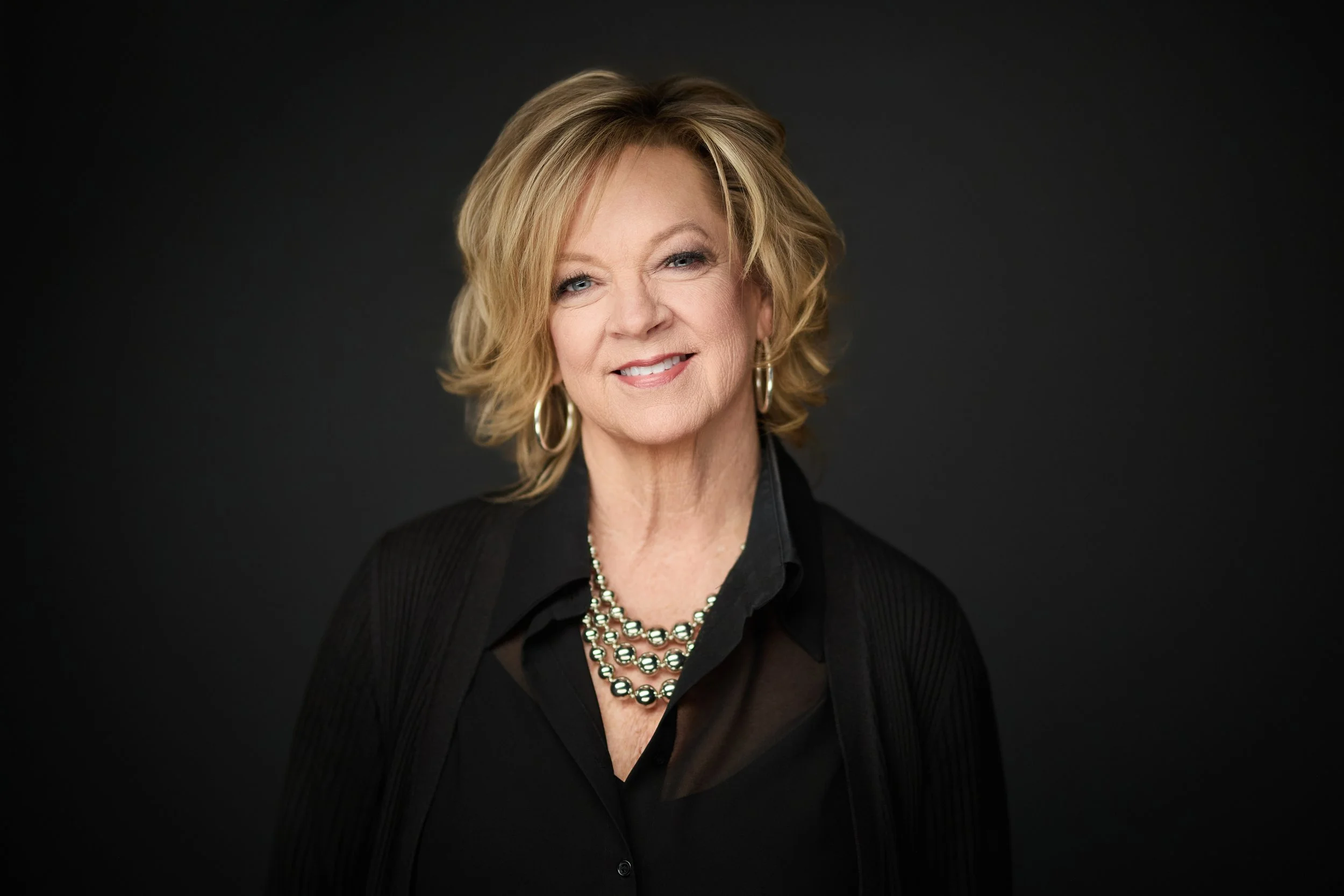
Andrea Fredrickson
Andrea Fredrickson is a thought leader and consultant at Revela, an organization based in Omaha, Nebraska specializing in the development of leaders, culture alignment, and business strategy for private and family businesses of all sizes. Revela is one of the region's most experienced thought challengers, helping individuals and companies find their greatness. Andrea has built an amazing team by believing that fundamentally people want to be successful and become better versions of themselves.
-
Andrea has degrees in education, management, and business. She is the author of Insight Unseen; How to lead with 20/20 business vision. She helps people see things differently, self-reflect, and never stop looking for ways to improve themselves on a personal and professional level. Andrea has spent more than 30 years researching and developing methods to help people communicate and lead more effectively.
When Andrea isn’t working with clients, you’ll find her spending time with her family & friends and making memories by exploring new cities.
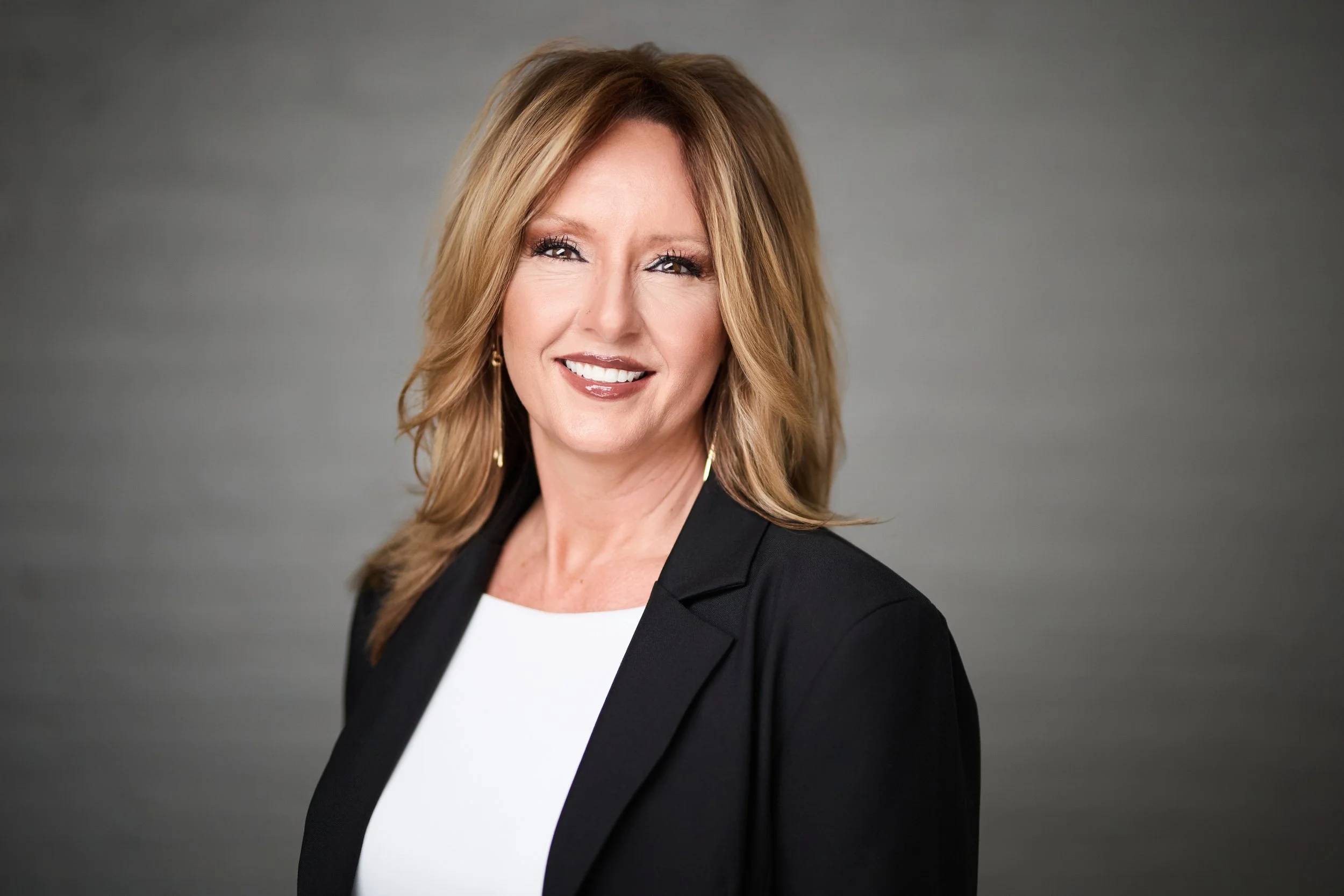
Michelle Hill
Michelle Hill is a master facilitator and coach at Revela, an organization specializing in the development of leaders and aligning the culture of privately held and family businesses of all sizes. Revela is one of the region's most experienced thought challengers, helping individuals and companies find their greatness.
-
An ambitious leader, Michelle has the natural ability to create forward momentum to build teams and get results. She inspires others to look within themselves and to challenge the status quo. She helps create high-performing environments. Michelle brings a diverse background: operations, employee development, and sales in the steel, hospitality, and consulting industries.
Outside of work, you will see her competitive side engaged in her daughter’s sports and ISU athletics. She loves life, her four-legged companions, and captures all the moments through her camera’s lens.
TRANSCRIPT
Andrea Fredrickson: Are your leadership decisions creating consistency… or slowly causing your culture to drift? In this episode of The Leadership Hustle, we’re unpacking how small moments of delay, exception-making, and tolerated behavior quietly reshape the standards inside an organization. Hello, and welcome to The Leadership Hustle for executives whose companies are growing fast and need leaders who are ready. Welcome back. I’m Andrea Fredrickson.
Michelle Hill: And I am Michelle Hill.
Andrea Fredrickson: And today we’re talking about something that shows up constantly in leadership conversations, especially when organizations are struggling with accountability, communication, or consistency. Most leaders are not waking up trying to make work harder for their people. In fact, most are trying to be reasonable. They’re trying to be understanding. Flexible. Patient.
But over time, those reasonable decisions can start creating drift. Maybe a conversation gets delayed because someone is busy. Maybe a behavior gets excused because the employee is a high performer. Maybe something gets tolerated because “that’s just how they are.” And individually, those moments feel small. But collectively, they start changing the culture of the team.
Because culture is not just built by what leaders say. It’s built by what leaders consistently uphold. And when expectations become conditional, unclear, or selectively enforced, people start creating their own interpretation of what really matters.