Culture Drift: Why Great Cultures Quietly Unravel
LISTEN TO THE EPISODE
Expand Your Leadership Skills.
Culture Drift: Why Great Cultures Quietly Unravel
Culture rarely collapses overnight. It erodes slowly, quietly, and often unnoticed by the people closest to it. What once felt clear, consistent, and aligned can begin to feel confusing, uneven, or “off,” even if leaders can’t immediately point to why. This slow unraveling is known as culture drift, and it’s one of the most common threats to workplace culture, employee performance, and organizational trust.
At Revela, we believe culture isn’t defined by what’s written on the wall, but by what’s tolerated, reinforced, and rewarded every day. On this episode of The Leadership Hustle podcast, Andrea Fredrickson and Michelle Hill discussed how culture drift happens, why leaders often miss it, and the real cost of ignoring the small moments where standards quietly shift.

Why Culture Drift Happens Even in Well-Intentioned Organizations
Most leaders don’t set out to damage their culture. In fact, many organizations talk about culture constantly. They define values, reference them in hiring, and include them in onboarding and performance conversations. So why does culture drift happen anyway?
One reason is that organizations often confuse values with behavior. Values sound good, but they’re often abstract. Without clear behavioral standards, values become open to interpretation. As Fredrickson stated, “...values are statements, but…most of them are not behaviors. So, when people say ‘our culture is [our values]’...that becomes a bit watered down.”
Culture isn’t what leaders say they value. Culture is how work actually gets done like how people treat each other, how decisions are made, and what behaviors are accepted in practice. When those behaviors slowly change without being addressed, culture drifts.
What Culture Drift Actually Looks Like Day to Day
Culture drift doesn’t show up as a dramatic announcement. It shows up in subtle, everyday moments. Hill pointed out that leaders often believe culture is stable because values are visible and referenced. But when you move closer to the frontline, awareness drops. People aren’t always sure what those values look like in action. Drift often sounds like:
“That’s not how we used to do things.”
“It feels different around here.”
“That behavior wouldn’t have flown before.”
If a high performer can be disrespectful and still get promoted, that’s the culture. If deadlines are missed repeatedly without consequences, that’s the culture. If collaboration is talked about but not practiced, that’s the culture. Culture drift happens when leaders believe one thing, but reinforce another.

The Small Excuses That Create Toxic Culture Over Time
One of the clearest warning signs of culture drift is excused behavior. It often starts with rationalization:
“They’ve got a lot going on.”
“That was a one-time thing.”
“They’re really good at what they do.”
But what feels like a one-time exception quickly becomes a pattern. Hill asked the key question leaders often avoid: “Why do leaders miss it? How do they overlook that?” The answer is uncomfortable. Leaders excuse behavior because addressing it feels risky. They fear conflict, turnover, or disruption. But avoidance doesn’t preserve culture. It quietly reshapes it. Every excuse resets the standard.
Culture Drift Is About What You Tolerate, Not What You Say
Culture drift accelerates when accountability becomes inconsistent. Fredrickson shared a real client example: a well-liked, well-connected employee who repeatedly missed expectations. Six months later, peers’ performance declined too. Why? As Fredrickson said, “...you're getting what you're rewarding. You're getting what you are promoting. You're getting what you're excusing.”
Hill echoed this stating, “Everyone’s watching. Then that becomes the new standard.” This is how toxic culture forms. Not through malice, but through silence.
When Leaders Finally Notice Culture Drift, It’s Already Costly
By the time leaders say, “Something feels off,” culture drift has usually been happening for a while. Drift is gradual, like snow accumulating. One small event doesn’t seem significant. But over time, it compounds.
Fredrickson added that leaders often stop bringing up specific people or issues, not because they don’t see them, but because addressing them feels overwhelming. Avoidance becomes the norm, and culture continues to slide.
Culture drift doesn’t stay internal. It impacts employee performance directly. When accountability weakens:
High performers disengage or leave
Mediocrity becomes acceptable
Collaboration breaks down
Quality declines
Fredrickson explained the ripple effect stating, “You lose your best people because they’re being held to expectations that aren’t consistent.” When effort and standards aren’t applied fairly, trust erodes. Employees stop going above and beyond, not out of laziness, but self-protection.

Organizational Trust Erodes Faster Than Leaders Expect
One of the most damaging effects of culture drift is the breakdown of organizational trust. Once trust erodes, people stop speaking up. Problems go unreported. Mistakes increase. Performance suffers. When leaders tolerate behavior that contradicts stated values, employees notice the gap between words and actions. That inconsistency breeds skepticism.
This erosion of trust spreads externally through referrals, reviews, and reputation. Prospective employees take notice. Customers feel the impact too. Trust isn’t lost through one decision. It’s lost through patterns leaders fail to interrupt.
Why Culture Drift Leads to Poor Team Communication
As trust erodes, team communication breaks down. Without open communication:
Teams stop challenging bad ideas
Cross-department collaboration weakens
Errors increase
Customer impact worsens
Silence becomes safer than honesty. That’s not a communication problem. It’s a culture problem.
Culture Is Not Perks, Ping Pong, or Office Decor
One of the most persistent myths about workplace culture is that it’s defined by perks. As Hill joked, they hear things like, “‘We have a great culture. We have a ping pong table.’” While amenities and social activities can make a workplace more enjoyable, they are not indicators of a healthy culture.
Fredrickson summed it up simply when she said, “That’s decoration. Those are activities.” That’s not culture. Real culture reveals itself when things get difficult. When priorities conflict, pressure rises, and decisions actually matter. Those moments expose how people truly behave, what leaders tolerate, and whether leadership accountability shows up or quietly disappears.
Culture Drift Is a Leadership Accountability Issue
Culture drift isn’t a people problem. It's a leadership accountability problem. Leaders shape culture whether they intend to or not, because every decision to ignore, justify, or minimize a behavior quietly resets the standard.
Fredrickson offered a powerful analogy to explain this: “If you write a procedure [and] no one ever looks at it, the procedure shifts because people behave the way they think the procedure is written, not the way it's actually written. Well, the same thing happens with culture. ” When leaders are not actively reinforcing expectations and standards, culture evolves based on memory, convenience, and tolerance rather than intention. Over time, that gap between what leaders believe the culture is and how people actually behave continues to widen.
How Leaders Can Identify Culture Drift Early
One of the most effective ways to identify culture drift early is to ask the people who are experiencing it every day. Those conversations may feel uncomfortable, but they are often the fastest way to uncover what has shifted beneath the surface.
Culture doesn’t drift in secret. People sense it long before leaders acknowledge it. The longer leaders wait to listen, the further the culture moves without them.

When Culture Drift Goes Unchecked, Everyone Pays
Culture drift happens when small exceptions become patterns and accountability becomes inconsistent. Left unaddressed, it erodes workplace culture, weakens organizational trust, damages employee performance, and creates the conditions for toxic culture to take hold. The longer leaders ignore drift, the more costly it becomes, not just financially, but relationally and reputationally.
At Revela, we believe strong cultures are built through consistent leadership accountability, not slogans or perks. To continue exploring how leadership decisions shape workplace culture, organizational trust, and employee performance, listen to the rest of The Leadership Hustle podcast!
About the Hosts
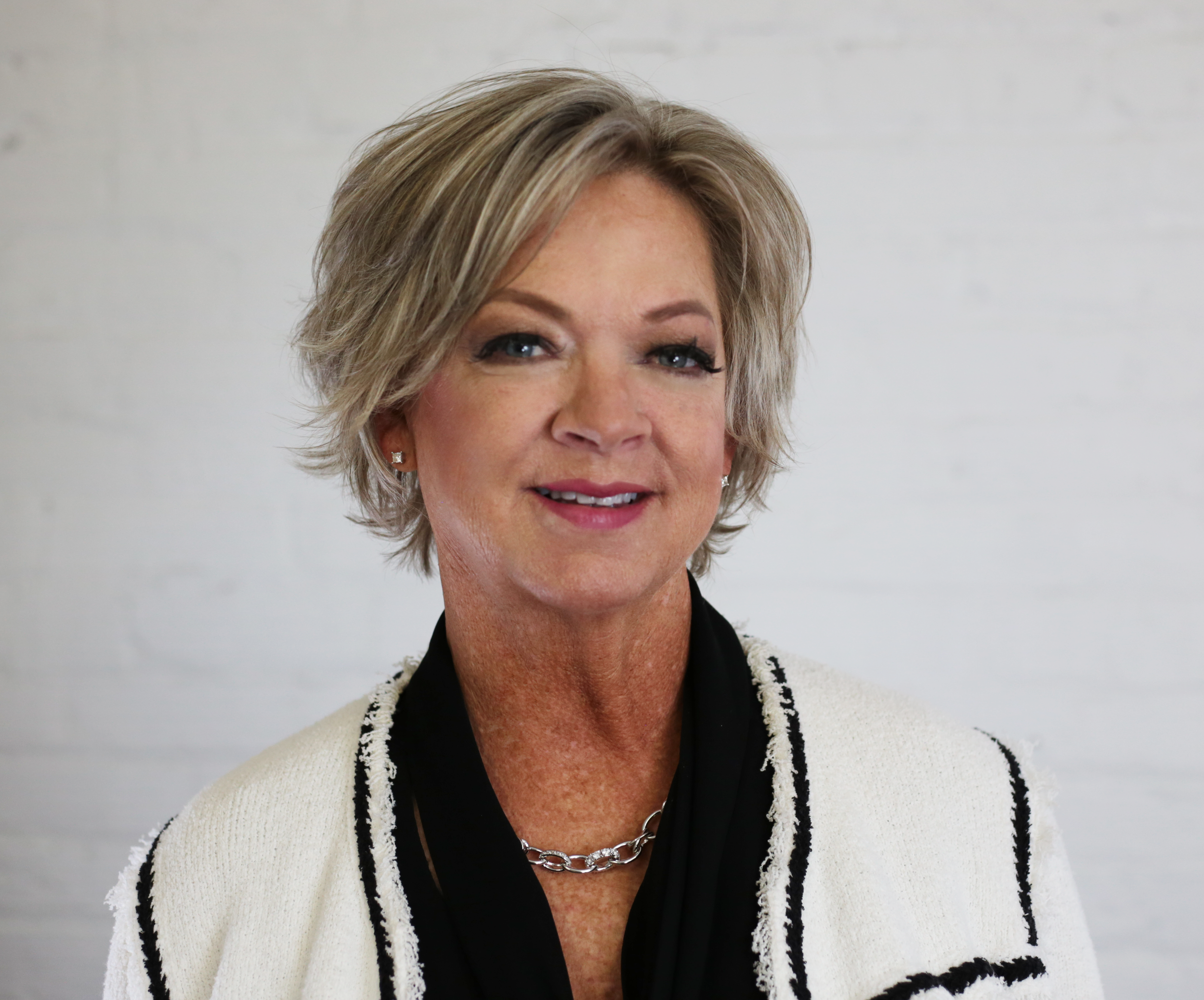
Andrea Fredrickson
Andrea Fredrickson is a thought leader and consultant at Revela, an organization based in Omaha, Nebraska specializing in the development of leaders, culture alignment, and business strategy for private and family businesses of all sizes. Revela is one of the region's most experienced thought challengers, helping individuals and companies find their greatness. Andrea has built an amazing team by believing that fundamentally people want to be successful and become better versions of themselves.
-
Andrea has degrees in education, management, and business. She is the author of Insight Unseen; How to lead with 20/20 business vision. She helps people see things differently, self-reflect, and never stop looking for ways to improve themselves on a personal and professional level. Andrea has spent more than 30 years researching and developing methods to help people communicate and lead more effectively.
When Andrea isn’t working with clients, you’ll find her spending time with her family & friends and making memories by exploring new cities.

Michelle Hill
Michelle Hill is a master facilitator and coach at Revela, an organization specializing in the development of leaders and aligning the culture of privately held and family businesses of all sizes. Revela is one of the region's most experienced thought challengers, helping individuals and companies find their greatness.
-
An ambitious leader, Michelle has the natural ability to create forward momentum to build teams and get results. She inspires others to look within themselves and to challenge the status quo. She helps create high-performing environments. Michelle brings a diverse background: operations, employee development, and sales in the steel, hospitality, and consulting industries.
Outside of work, you will see her competitive side engaged in her daughter’s sports and ISU athletics. She loves life, her four-legged companions, and captures all the moments through her camera’s lens.
TRANSCRIPT
Andrea Frederickson:
On this episode of The Leadership Hustle, we’re going to talk about some of the signs you can notice when your culture starts to shift. Hello, and welcome to The Leadership Hustle, for executives whose companies are growing fast and need leaders who are ready. Hi there, and welcome to this episode of The Leadership Hustle. I’m Andrea Frederickson, and I’m joined today by my co-host, Michelle Hill.
Michelle Hill:
Hello.
Andrea Frederickson:
Today we’re beginning a series focused on culture. And I would say that almost every company we work with, especially when we’re working with senior leaders, is talking in some way, shape, or form about culture. What they’re talking about varies.
Some leaders say, “Our culture is really, really good.” That’s what they promote. They have strong retention. Others say, “Our culture is okay.” And some say, “Our culture feels like it’s drifting.” They’ll give a reason. Or an explanation. Or point to something that’s changing. So today we thought we’d talk a little bit about what happens when you’re focused on everything else and culture starts to drift. Because I don’t think senior leaders are intentionally not paying attention to culture. I think most of them genuinely are trying to pay attention to it.